 Sep 19 2026
 Sep 12 2026
 Sep 05 2026
 Aug 29 2026
 Aug 22 2026
 Aug 15 2026
 Aug 08 2026
 Aug 01 2026
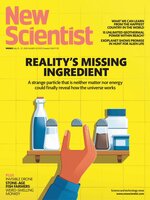 Jul 25 2026
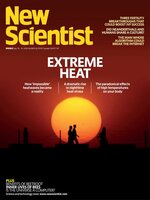 Jul 18 2026
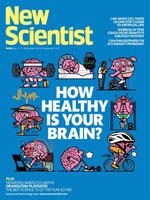 Jul 11 2026
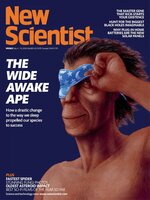 Jul 04 2026
 Jun 27 2026
 Jun 20 2026
 Jun 13 2026
 Jun 06 2026
 May 30 2026
 May 23 2026
 May 16 2026
 May 09 2026
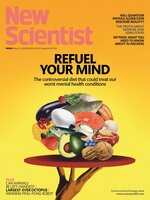 May 02 2026
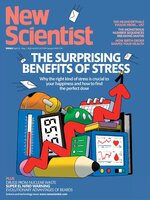 Apr 25 2026
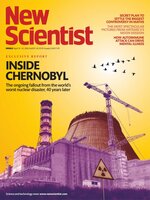 Apr 18 2026
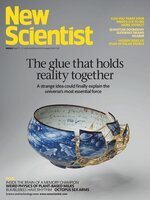 Apr 11 2026
New Scientist covers the latest developments in science and technology that will impact your world. New Scientist employs and commissions the best writers in their fields from all over the world. Our editorial team provide cutting-edge news, award-winning features and reports, written in concise and clear language that puts discoveries and advances in the context of everyday life today and in the future.
One of a kind • David Attenborough, who turns 100 this week, is irreplaceable
New Scientist
Heat protects man from Alzheimer’s • The story of a man who was destined to develop Alzheimer’s disease, but didn’t, bolsters the idea that heat therapy may shield people from the condition, finds Alice Klein
NHS England rushes to hide software over AI hacking fears
Weird state of matter is neither 2D nor 3D
Doubts over gene control switch • We may have found a way to turn on genes using an electromagnetic signal, but not everyone is convinced by the findings, reports Michael Le Page
The chips in your phone are broken – and that’s good
Rising temperatures drive extreme weather in Europe
We may have figured out a way to send messages backwards in time
The heavy metal secret behind scorpion stingers
Oral bacteria hold key health clues • Links between the oral microbiome and metabolic health mean conditions like fatty liver disease could one day be screened for via a simple mouth swab, discovers Linda Geddes
Nitrate chewing gum could be helpful for gum disease
Cancer vanishes after biopsy • The highly unusual circumstances in which one woman’s tumour disappeared could lead to the development of new cancer drugs, reports Carissa Wong
Rise in cancer among the young remains a mystery
Is this the beginning of the end for fossil fuels? • A conference in Colombia gathered a coalition of the willing against fossil fuels, but some big emitters were absent, finds Alec Luhn
100-year-old assumption about the universe may soon be overturned
The outer rings of Uranus are surprisingly dissimilar
Humanoid robots are speeding up • Robots are rapidly homing in on the men’s 100-metre sprint record. But why do companies want to create speedy robots with no obvious application in homes or factories, asks Matthew Sparkes
Coral reefs survive massive heatwave • Rising temperatures have killed vast swathes of coral around the world, but a remote Australian archipelago may provide a reason for optimism, finds James Woodford
We may finally have a remedy for autoimmune conditions • New therapies based on a revolutionary cancer treatment could be approved as early as next year, finds Michael Le Page
An unorthodox theory could restore reality • Quantum mechanics says reality isn’t as solid as we think it is, but physicist David Bohm had different ideas. Karmela Padavic-Callaghan explores
Listen to your heart • Smartwatches commonly use heart rate variability to monitor stress. Helen Thomson examines what this metric can reveal about our mental health
Former glories
Three more great books on following the evidence
Applying the science • Solving real-life problems using evidence is surprisingly new, says a compelling book. Michael Marshall is left wanting more – in a good way
New Scientist recommends
Life with David Attenborough • In the week that David Attenborough turns 100, New Scientist staff have been set a tricky task: pick your favourite of his many amazing documentaries
Your letters
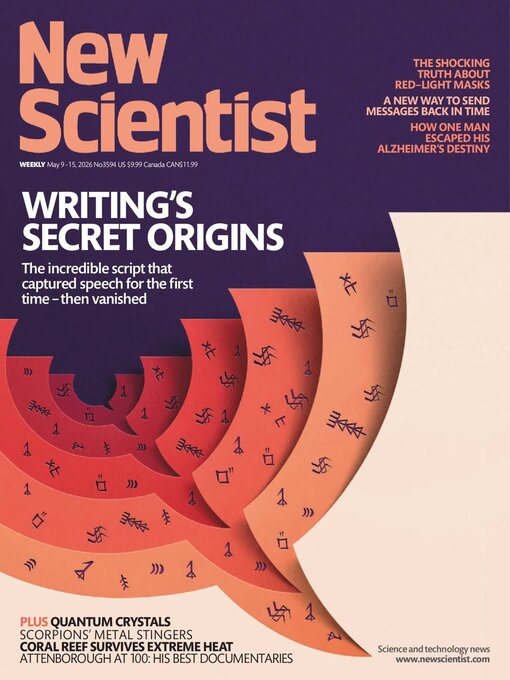
Rewriting history • A lost ancient script could mark the moment humans first represented their speech with written words, discovers Colin Barras
Written in clay • This 5000-year-old proto-Elamite tablet records the numbers of objects...